The Ultimate Checklist for Securing Vehicles on Your Car Hauler
Transporting vehicles safely requires more than just loading them onto your car hauler and hitting the road. Proper vehicle securing techniques protect your cargo, ensure road safety, and maintain your professional reputation. Whether you're hauling luxury cars or everyday vehicles, following a systematic approach to securing your load is essential.
Pre-Loading Vehicle Inspection
Before any vehicle touches your hauler, conduct a thorough inspection of both the transport vehicle and your equipment. Check tire pressure, examine tie-down points for wear or damage, and verify that all securing equipment meets DOT standards. Document any existing damage to vehicles being transported with photos and detailed notes.
Your car hauler's deck should be clean and free of debris that could scratch or damage vehicles during transport. Inspect wheel chocks, tie-down straps, and chains for signs of wear, fraying, or weakness that could lead to failure during transit.
Strategic Loading and Weight Distribution
Position vehicles strategically to achieve proper weight distribution across your hauler. Place heavier vehicles over the axles and lighter ones toward the ends, but never exceed your hauler's weight capacity. This balance prevents dangerous swaying and reduces stress on your truck and trailer.
Leave adequate space between vehicles to prevent contact during transport. Even minor movements can cause significant damage when vehicles shift slightly during normal driving conditions.
Essential Securing Techniques
Use a minimum of four tie-down points per vehicle, with straps or chains positioned at 45-degree angles from the vehicle to the hauler. This creates downward and sideways pressure that prevents movement in all directions. Secure tie-downs to the vehicle's designated lifting points, not to suspension components or body panels that could bend or break.
Apply proper tension to each tie-down without over-tightening, which can damage vehicles or create stress points that lead to strap failure. Check that emergency brakes are engaged and transmissions are in park or gear.
Mid-Transport Verification
Stop periodically during long hauls to inspect your load. Check tie-down tension, look for any signs of shifting, and verify that all securing points remain intact. This proactive approach prevents small issues from becoming major problems.
Monitor your mirrors constantly for unusual movement or changes in how your load behaves. Any irregular swaying or shifting requires immediate attention and a safe place to stop for inspection.
Professional Standards and Compliance
Maintain detailed records of your securing procedures and inspection results. This documentation protects you legally and demonstrates your commitment to professional standards. Stay current with DOT regulations regarding cargo securement, as requirements evolve regularly.
Invest in high-quality securing equipment and replace worn items immediately. The cost of premium tie-downs and chains is minimal compared to potential damage claims or safety incidents.
Securing Your Success
Proper vehicle-securing techniques separate professional transporters from amateur operators. By following this comprehensive checklist consistently, you protect your cargo, ensure road safety, and build trust with customers who depend on your expertise.
Ready to enhance your vehicle transport operations with professional-grade car haulers and expert guidance? Contact our team at West Coast Enterprises Truck and Trailer Sales to discover how our quality truck and trailer solutions can elevate your hauling business to the next level.
Navigating Legal Challenges: Understanding Regulations for Car Hauler Operators
The regulatory maze for car hauler operators grows more intricate each year. One missed compliance update can derail your entire operation faster than a blown tire on I-5.
Today's car hauling landscape demands more than just excellent driving skills. You're navigating federal mandates, state-specific requirements, and evolving safety standards that shift like California traffic patterns. Missing a regulatory change isn't just expensive—it's business-threatening.
Smart operators don't just react to regulations. They anticipate them.
What separates thriving car haulers from those struggling with citations and penalties? Knowledge. The kind that keeps your CDL clean, your insurance valid, and your trucks rolling legally down every mile of highway.
Foundation: Key Regulatory Bodies and Current Requirements
FMCSA and DOT: Your Guiding Authorities
The Federal Motor Carrier Safety Administration (FMCSA) and Department of Transportation (DOT) aren't just alphabet soup—they're your operational compass. These agencies craft the rules that govern every aspect of your car hauling business, from driver qualifications to vehicle inspections.
Think of FMCSA as your industry's traffic cop. They set standards for everything you do on the road. DOT provides the broader framework, ensuring commercial vehicles meet safety and environmental standards across all transportation modes.
Core Compliance Areas
Licensing and Endorsements: Your Class A CDL isn't optional—it's your license to operate. Car hauling demands this credential because you're managing complex, multi-vehicle loads that require advanced maneuvering skills. Some states require additional endorsements for specific trailer configurations.
Insurance Mandates: Liability coverage isn't negotiable. Federal requirements mandate minimum coverage levels, but smart operators carry more. Cargo insurance protects the vehicles you're transporting—luxury cars and classics command premium coverage.
Hours of Service Rules: HOS regulations prevent fatigue-related accidents. Fourteen-hour driving windows and mandatory rest periods aren't suggestions. Violations trigger penalties that escalate quickly.
Staying Ahead: Emerging Regulatory Trends
Electronic Logging Devices: Beyond Basic Compliance
ELD mandates continue evolving. Modern devices track more than driving hours—they monitor vehicle performance, route efficiency, and maintenance schedules. Embracing advanced ELD features positions you ahead of future requirements.
Vehicle specifications face increasing scrutiny. Weight limits, dimensional restrictions, and safety technology requirements expand annually. Advanced braking systems and collision avoidance technology aren't just smart investments—they're becoming regulatory necessities.
Navigating Challenges and Ensuring Smooth Operations
The Real Cost of Non-Compliance
Regulatory violations hit harder than unexpected repair bills. Fines start steep and escalate rapidly. Out-of-service orders strand your equipment and cargo, creating liability nightmares with clients whose vehicles sit motionless on your trailer.
Legal issues multiply fast. Insurance companies scrutinize violation records during renewals. Repeat offenses trigger DOT audits that dissect your entire operation under a microscope.
Proactive Compliance: Your Competitive Edge
Smart operators flip compliance from burden to advantage. Clean safety records unlock better insurance rates and premium shipping contracts. Luxury car dealers demand spotless compliance histories—they won't risk their inventory with operators carrying violation baggage.
Optimized HOS planning improves route efficiency. Drivers who understand regulations maximize legal driving time, delivering faster without cutting corners. Your reputation becomes your strongest marketing tool.
Future-Proofing Your Operation
Emissions standards tighten yearly. Electric vehicle requirements loom on the horizon. Operators who anticipate regulatory shifts invest strategically, avoiding costly scrambles when new mandates arrive.
Staying informed isn't homework—it's business intelligence. Early adopters capture market advantages while competitors struggle with sudden compliance demands.
Your Path Forward: Resources and Support
Accessing Official Information
The FMCSA website serves as your regulatory headquarters. Bookmark their updates section—new rules appear there first. Subscribe to industry newsletters that translate complex regulatory language into actionable insights.
Don't rely on secondhand information. Verify regulatory changes through official channels before adjusting operations.
Leveraging Industry Expertise
Transportation attorneys specialize in compliance complexities you shouldn't navigate alone. Industry associations provide regulatory updates, training programs, and networking opportunities with experienced operators.
Professional development pays dividends. Regular training keeps your team sharp and compliant.
Building Your Compliant Future
Regulatory mastery isn't about avoiding penalties—it's about constructing a sustainable, profitable operation. Well-informed operators command premium rates, secure better contracts, and sleep soundly knowing their business stands on solid legal ground.
Compliance becomes a competitive advantage when you embrace it strategically.
Conclusion
Regulatory compliance separates successful car hauler operators from those constantly fighting violations and penalties. Understanding FMCSA requirements, HOS rules, and emerging trends protects your business while creating operational advantages.
Proactive operators don't just survive regulatory changes—they thrive because of them. Your commitment to compliance becomes your strongest business asset.
Need expert guidance navigating the regulatory landscape? West Coast Enterprises Truck and Trailer Sales provides the industry knowledge and support to keep your car hauling operation compliant and competitive.
Novice to Pro: Building a Successful Car Hauling Career
The rumble of a diesel engine, the satisfaction of delivering pristine vehicles across state lines, and the freedom to chart your course aren't just perks of a car hauling career; they're the foundation of a potentially life-changing profession. With the auto transport industry experiencing unprecedented growth and vehicle shipments reaching record numbers, skilled car haulers are more valuable than ever. Whether you're a seasoned trucker looking to specialize or a CDL holder seeking a new direction, becoming a successful car hauler offers promising financial rewards and professional autonomy.
Essential Steps to Launch Your Car Hauling Career
Starting a career in car hauling requires careful planning and the right foundation. The good news is that the barriers to entry are lower than those in many specialized trucking niches.
Licensing and Qualifications
You'll need a valid Commercial Driver's License (CDL) with appropriate endorsements. Most states require a Class A CDL, a clean driving record, and DOT medical certification. While specialized car hauling training isn't mandatory, hands-on experience through mentorship or apprenticeship programs proves invaluable.
Equipment Considerations
Success in car hauling hinges on your choice of equipment. Open carriers offer lower initial costs and greater versatility, making them ideal for beginners. Enclosed carriers, while requiring higher investment, open doors to premium transport opportunities like exotic and luxury vehicles. When selecting your first trailer, consider factors like:
- Load capacity and trailer length
- Hydraulic vs. manual loading systems
- New versus pre-owned equipment
- Maintenance requirements and parts availability
Finding Your Niche in Car Hauling
The most successful car haulers don't just transport vehicles – they specialize in specific market segments that match their skills and equipment. Take John, a former classic car mechanic who leveraged his expertise to become the go-to hauler for vintage car collectors in the Pacific Northwest. His knowledge of handling delicate restorations earned him a loyal customer base willing to pay premium rates
Consider these profitable specializations:
- Dealership transport: Regular routes and consistent volume
- Auction transport: Flexible scheduling with surge pricing opportunities
- Classic and luxury vehicles: Higher paying loads with specialized care requirements
- Fleet relocation: Large contracts with corporate clients
- Private party moves: Direct customer service with varied destinations
Your niche choice affects everything from your insurance requirements to your earning potential. Start with broader services to understand market demands, then gradually shift toward the specialty that best balances profitability and personal interest.
Growing Your Car Hauling Enterprise
Success in car hauling extends beyond safe vehicle transport. It requires business acumen and relationship building. Let's explore the key elements of transforming a solo operation into a thriving business.
Building Your Professional Network
Start by connecting with local dealerships, auto auctions, and established car haulers. Join industry associations and online communities where load opportunities are shared. Mike, a veteran hauler in California, built his business by becoming a regular at dealer auctions. "I showed up consistently, introduced myself to everyone, and always delivered on time. Word spread quickly."
Smart Rate Setting
Calculate your rates based on:
- Operating costs (fuel, maintenance, insurance)
- Loading/unloading time
- Deadhead miles
- Market demand in your region
- Seasonal fluctuations
Resist the temptation to undercut competition. Instead, differentiate through reliability and service quality. Track your expenses meticulously to ensure each load contributes to your bottom line.
Sustaining Long-Term Success
The car-hauling industry rewards those who think beyond their next load. Building a sustainable career requires attention to safety, financial management, and continuous improvement.
Safety First, Always
Every successful car hauler knows one accident can derail years of hard work. Develop a comprehensive safety routine that includes:
- Daily equipment inspections before hitting the road
- Regular maintenance schedules for all machinery
- Proper loading and securing techniques for different vehicle types
- Weather monitoring and route planning
- Adequate rest periods between hauls
Financial Management for Growth
Innovative money management separates thriving car-hauling businesses from those that struggle to survive. Success requires maintaining separate business accounts, tracking expenses, and building a robust emergency fund before considering expansion. Working with an accountant who understands the trucking industry helps optimize tax strategies and identify opportunities for reinvestment. Many successful operators live lean during their first few years, directing excess profits toward business growth and equipment upgrades rather than personal spending.
Launch Your Car Hauling Career Today
Building a successful car-hauling career combines the freedom of the open road with the rewards of entrepreneurship. The path from novice to professional requires careful planning, the right equipment, and a commitment to exceptional service. You can establish a sustainable and profitable operation by focusing on safety, building strong industry relationships, and managing finances wisely.
The car hauling industry continues to evolve, offering new opportunities for those willing to adapt and grow. Successful haulers understand that each load represents more than just a paycheck – it's a chance to build a reputation, refine processes, and strengthen business relationships. This mindset transforms occasional loads into steady, profitable contracts.
Ready to start your journey in car hauling? Begin by researching CDL requirements in your state and connecting with experienced haulers. When you're prepared to explore equipment options, West Coast Enterprises Truck and Trailer Sales specializes in helping new car haulers select the right trucks and trailers for their business goals. Contact our team to learn more about launching your car hauling career.
The Future of Car Hauling: Emerging Technologies and Industry Innovations
Rising fuel costs and supply chain disruptions have reshaped car hauling operations across America. Yet amid these challenges, groundbreaking technologies transform how we transport vehicles from point A to point B. For seasoned car haulers, these innovations promise solutions to current challenges and opportunities to revolutionize their operations.
Electric and Alternative Fuel Trucks: A New Era
The shift toward electric trucks mirrors the early days of electric cars, bringing excitement and questions to the car-hauling industry. Major manufacturers like Freightliner and Peterbilt are rolling out electric semi-trucks capable of hauling multiple vehicles, with the potential for significant operational cost savings through reduced fuel consumption and lower maintenance requirements. While real-world data from car hauling operations is still emerging, early adopters report promising results in terms of performance and efficiency.
The global electric vehicle market's projected growth - expected to reach 17,957 thousand units by 2026 - drives truck manufacturers to accelerate their development of electric and alternative fuel vehicles. This expanding EV market signals a parallel need for sustainable transport solutions in the car-hauling industry. Hydrogen fuel cell technology is also gaining traction, offering another sustainable option for long-haul routes where charging infrastructure might be limited.
Overcoming Infrastructure Hurdles
The transition isn't without speed bumps. Charging stations for heavy-duty electric trucks remain limited, particularly along rural routes. However, the Department of Energy's recent commitment to installing fast-charging stations every 50 miles along significant highways signals a bright future for electric car hauling. Private truck stops are also joining the movement, with significant chains investing in high-capacity charging infrastructure explicitly designed for car haulers.
Autonomous Features and ADAS: Your New Co-Pilot
While fully autonomous car haulers might seem distant, advanced driver-assistance systems are already revolutionizing the industry. Lane departure warnings, adaptive cruise control, and automatic emergency braking precisely calibrated for loaded car carriers reduce driver fatigue and enhance safety.
The Safety and Efficiency Boost
These systems have shown impressive results. Fleet operators using ADAS report fewer accidents and improved safety metrics. Optimized braking and acceleration patterns help maximize fuel efficiency, even with a full load. Many insurance providers recognize the safety benefits of these systems, often considering ADAS implementation when evaluating fleet coverage.
Smart Logistics: Beyond Basic Route Planning
Today's smart logistics platforms do more than suggest the fastest route. They analyze weather patterns, traffic data, and fuel prices to optimize your haul in real-time. These systems can even predict maintenance needs based on your truck's performance data, helping prevent costly breakdowns mid-route.
Enhanced Security: Eyes on Your Cargo
GPS tracking has evolved into comprehensive security systems that individually monitor each vehicle on your trailer. Some systems even detect unauthorized movement and automatically alert drivers and fleet managers, providing peace of mind during overnight stops. The latest security innovations include high-definition camera systems with night vision capabilities and AI-powered motion detection that can distinguish between normal road movement and potential security threats.
Embracing Tomorrow's Roads
The future of car hauling combines the best human expertise with cutting-edge technology. While these innovations require initial investment, they're reshaping the industry to be more efficient, sustainable, and profitable. Early adopters are already seeing returns through reduced operating costs, improved safety records, and increased customer satisfaction.
As West Coast Enterprises Truck and Trailer Sales continues to monitor these industry developments, we remain committed to understanding and sharing insights about the technologies shaping the future of car hauling. The road ahead holds tremendous potential for those ready to embrace these innovations.
Maximizing Profits: A Guide to Efficient Route Planning for Car Haulers
Every mile counts when you're hauling cars. As fuel prices climb and margins tighten, thoughtful route planning isn't just about getting from A to B—it's about turning those miles into maximum profit. Let's face it: in today's competitive car hauling market, the difference between thriving and barely surviving often comes down to your routing strategy.
The Real Cost of Poor Route Planning
Just last week, I spoke with Mike, a veteran car hauler who discovered he'd been losing nearly $2,000 monthly to inefficient routing. Empty miles, unnecessary detours, and poor load sequencing were eating into his profits like rust on a chain. These hidden costs add up fast: wasted fuel, excessive wear and tear, missed delivery windows, and valuable time that could've been spent with family or securing the next load. For many haulers, these inefficiencies can represent up to 20% of their operating costs—money that should stay in their pockets.
Essential Elements of Smart Route Planning
Choose Your Equipment Wisely
Your truck is more than just a vehicle—it's your profit center. Match your car hauler's capacity to your typical loads and maintain it. A well-maintained truck can improve fuel efficiency by up to 10%, turning those razor-thin margins into solid profits. Regular maintenance checks and timely repairs aren't expenses—they're investments in your business's future.
Leverage Technology
Gone are the days of paper maps and guesswork. Modern GPS systems explicitly designed for car haulers can:
- Navigate around low bridges and weight restrictions
- Provide real-time traffic updates
- Calculate fuel-efficient routes
- Track maintenance schedules
- Monitor driver performance and fuel consumption
Master Load Planning
Think of your route like a chess game—every move should serve multiple purposes. Plan pickups and deliveries in a logical sequence that minimizes backtracking. Consider factors like:
- Distance between stops
- Loading/unloading times
- Customer schedules
- Local traffic patterns
- Fuel stop locations
Stay Compliant and Current
Knowledge is power in the car hauling business. Stay updated on:
- Road restrictions
- Permit requirements
- Weight limits
- Construction updates
- Weather conditions affecting your routes
Building Your Competitive Edge
Thoughtful route planning creates a ripple effect of benefits. On-time deliveries lead to happy customers who recommend your services. Lower operating costs mean more competitive pricing or better profit margins. Efficient scheduling allows you to handle more loads without sacrificing service quality. Many successful haulers report increasing their monthly load capacity by 15-20% simply through better route optimization.
Your Route to Success
The road to higher profits in car hauling isn't always straight, but efficient route planning makes the journey smoother. Implementing these strategies will save you miles and build a more sustainable and profitable business. Remember, every optimized route brings you closer to your business goals.
Ready to put these strategies into action? The right equipment makes all the difference. Explore our selection of car haulers designed for maximum efficiency and profitability. Your following successful route starts here.
7 Essential Maintenance Checks Every Car Hauler Driver Should Know
Your car hauler isn't just a piece of equipment – it's your livelihood. Last month, I watched a fellow driver lose three days of work when his hydraulic system failed mid-route. A simple maintenance check could have prevented that $2,000 repair bill and saved his reputation with a major client.
1. Pre-Trip Inspection Essentials
Your daily walk-around might feel like a chore, but it's your first line of defense against costly breakdowns. Start with your tires – where the rubber meets the road. Check the pressure when they're cold and look for uneven wear patterns. Don't forget your brakes; that slight squeal you've ignored could signal bigger problems more significant. Hydraulic System Checks
2. System Checks
Think of your hydraulic system as your hauler's circulatory system. Check fluid levels weekly and inspect hoses for bulges or seepage. That small drip under your truck? It could mean a failing seal stranding you on your next run.
3. Ramp Maintenance
Those ramps take a beating with every load. Weekly inspections of hinges, locking mechanisms, and wear points can prevent catastrophic failures. One of our customers learned this the hard way when weakened support gave way during loading.
4. Winch System Care
Your winch is your workhouse – treat it accordingly. Inspect cables for fraying, ensure smooth operation, and test safety latches. A quick visual check before each use can prevent a cable snap that could damage vehicles and reputations.
5. Oil and Filter Maintenance
Don't just stick to the basic oil change schedule. Modern car haulers must also pay special attention to their transmission and differential fluids. Mark these dates in your calendar – they're appointments you can't afford to miss.
6. Brake System Integrity
Beyond basic brake checks, inspect airlines, drums, and brake chambers monthly. Listen for air leaks during your pre-trip inspection – that hissing sound isn't just annoying; it's a warning sign.
7. Tire Management
Rotation isn't enough – check alignment quarterly. Uneven wear doesn't just mean premature tire replacement; it affects fuel efficiency and handling, especially with a full load.
Critical But Often Overlooked Checks
While focusing on these central systems, remember wheel bearings and suspension components. That subtle vibration you feel could be a wheel bearing crying for attention. And when was the last time you inspected your exhaust system? Corrosion there can lead to bigger problems and more significant road problems.
Keep Your Rig Rolling
Prevention beats repair every time. These maintenance checks might seem basic, but they're the foundation of a profitable operation. Remember, every minute spent on maintenance saves hours of downtime later.
Ready to tackle your next maintenance check? Whether you need replacement parts or expert advice, West Coast Enterprises has your back. Browse our extensive online catalog or contact us for more information – we have everything you need to keep your car hauler running smoothly.
Section 179 Deduction 2024
With the year and related tax window coming to a close, savvy fleet owners know to maximize their use of Section 179 for the year to get the best possible return on investment for their assets. Though we are not tax lawyers, this article should serve as a good foothold for fleets to begin the journey.
What is Section 179?
Section 179 allows a business to write off the entire depreciation of a purchased asset in the year it was purchased, effectively reducing the purchase price by way of lowering tax liability.
For instance, say that an owner-operator purchases a truck for $50,000 and has a marginal tax rate of 35%. By using Section 179, he frontloads the depreciation of the truck and lowers his tax liability by 17,500, effectively paying $32,500 for the truck instead.
The amount a business may claim under Section 179 deduction has an annual limit. For 2024, the deduction limit is $1,220,000 (an increase of $60,000 from last year) and the spending cap for which Section 179 can be applied is $3,050,000 ($160,000 higher than last year). The two numbers increase with inflation, so generally speaking it is a safe bet to assume it will increase every year, as it has in the past.
Business equipment that qualifies is almost any asset with a useful life beyond one year. This includes computers, office buildings, and trucks. If your trucking headquarters has purchased a new coffee maker, that could also be applied, though the tax savings would be much less than the purchase of a truck.
Exceptions to the Section 179 Deduction
Because the tax code can never be completely simple, exceptions apply. The entire tax code is over ten million words in length, thousands of times longer than this article, so here are some exemptions you need to know.
Assets must have a useful life of over one year. Snacks, office supplies such as pencils, and month-to-month subscriptions are not eligible for this Deduction.
If an asset is used for anything other than business, only the percentage of business use can be written off. Furthermore, if the business use is less than half, then nothing can be written off. If purchasing a smartphone for business, make sure to use it more often for work than for calling your family, or else you run the risk of losing all your deductions!
Additionally, the amount deducted from your tax bill as a result of your deduction cannot exceed the business’ income for that year. Hypothetically, if your business purchases $2,000,000 in trucks, has a 25% average tax rate, and generates $400,000 in income for the year, the maximum your business can claim in deductions is $400,000. Fortunately, the additional $100,000 in deductions can be carried over to the next year.
Software must have non-exclusive use. Purchasing tax preparation software from a retailer is eligible for the deduction, but a purchased website does not, as only your business can use it.
Vehicles have a complicated set of exceptions, however, vehicles originally intended for businesses, such as Semi-Trucks, dump trucks, and forklifts are fully eligible for the deduction.
The Section 179 Deduction is “use it or lose it” for the year of purchase. If your business purchases $350,000 worth of equipment in 2024, it cannot write-off $250,000 for its 2024 tax year and then $100,000 in the next year, unless it follows the “exceed income” example stated above, in which the company’s taxable income would have had to not exceed $350,000 to carry over any additional money.
Since larger corporations are more likely to purchase business equipment exceeding $2,700,000 in a year, the current Section 179 Deduction leans in favor of smaller businesses and the middle class. Additionally, if your business does not start using the equipment the same year it is purchased or leased, the Deduction is lost.
Form 4562
The IRS form for Section 179, Form 4562, for the 2024 tax year has not been released yet, as of the time of writing, so be sure to check the IRS website as time goes on for the updated version (generally speaking, they update the URL to be the new one each year, so the link above should work once the update comes through, but no promises: if you see it says 2023, be sure to still search on your own!). The IRS also has instructions to help make filling the form easier, albeit currently for 2023–you would need to plug in the new numbers yourself. It also has Publication 946, covering both 2023 and 2024 so you can read about Section 179 straight from the horse’s mouth.
Keep in mind that Form 4562 covers most, if not all, forms of depreciation. Section 179 relates to Part 1. Other Parts cover things such as MACRS depreciation (depreciation over time) and amortization (depreciation of an intangible asset, such as a patent becoming close to expiring). Assuming you own a trucking business, you will absolutely need to fill out Part 5 before starting Part 1, as Part 5 pertains to most vehicular use. The IRS places the most important sections before the less important sections, even if the less important sections can determine whether or not you need to fill out the more important sections, so prepare to jump around the pages quite a bit when filling out Form 4562. In fact, if you are a fleet owner who provides vehicles to your employees, you very well might want to start at Part 6 and work your way backward!
Make sure to keep a copy of your Form 4562 for next year; this year’s line 13 is next year’s line 10 (both lines pertain to carryover of disallowed deduction and lead to lower tax liability).
Section 179 vs. Bonus Depreciation
Both of these two tax tools are very similar, but are distinct. Section 179 loads 100% of the depreciation in the year of use and purchase, whereas bonus depreciation loads only a larger portion (currently, up to an amount equal to the tax % rate) into the first year and continues depreciating afterward.
For example, say a company just purchased an asset worth $100,000 and its marginal tax rate was 18%. If the company uses Section 179, it will write off $100,000 as an expense. By using Bonus Depreciation, a company would instead write off $18,000 for year 1 and continue depreciating the asset further in later years. One saves you from tax liability now, the other saves you from quite a bit of tax liability now but also some for later.
Essentially, the difference is in whether or not the dollar value written off in year 1 is whole or proportional. A company starting out that needs more cash on hand, or a company that expects its tax liability in future years to be less than today, would be wise to use Section 179. A company that expects to move into a higher tax bracket in the future and does not need the extra cash flow should almost certainly claim Bonus Depreciation.
Changes From Last Year
The only notable changes from 2023 are the increase on the maximum deduction amount and the maximum spending amount, which are now $1,220,000 and $3,050,000, respectively.
The tax code is complicated, and things are often updated by the IRS, sometimes even in the middle of tax season! Stay in contact with your local tax professional for updates as they come in from the Internal Revenue Service.
Conclusion
If there is one thing you need to know about the tax code, it is that it is complicated. Hopefully, this article can help you get a general understanding of how to apply Section 179 to better invest in your fleet now.
Of course, if you are interested in employing Section 179 to save money on your next large business asset purchase, TopMark Funding ™ brokers on your behalf to a variety of different lenders for your next semi-truck, sprinter van, or shuttle bus. Whether you have excellent or less-than-excellent credit, we communicate with lenders to get you your best possible rate! Contact us for a free no-obligation quote that will not impact your credit score.
This article does not constitute legal tax advice. Every business is different and as such has different tax needs. Talk to a certified tax preparer to fully utilize Section 179 to your business’ own advantage.
SOURCE
The West Coast Enterprises Difference: Exceptional Service and Support
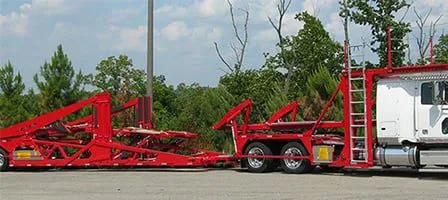
In the competitive world of car hauler trucks, one name stands out for its unwavering commitment to customer satisfaction: West Coast Enterprises. As a premier truck dealership specializing in car carriers, we've built our reputation on more than quality vehicles. At West Coast Enterprises, we believe in going the extra mile and providing unparalleled service and support that sets us apart from the competition.
Expert Knowledge and Guidance
When you step onto our lot, you're not just greeted by salespeople – you're welcomed by industry experts passionate about matching you with the perfect car hauler truck. Our team's deep understanding of the trucking industry allows us to offer:
- Personalized recommendations based on your specific hauling needs
- In-depth knowledge of both new and used car haulers
- Insights into the latest industry trends and technologies
We don't just sell trucks; we build lasting relationships. Our team takes the time to understand your business goals, routing requirements, and budget constraints. This personalized approach ensures you drive away with not just any truck but the right truck for your unique needs.
Competitive Pricing and Flexible Financing
At West Coast Enterprises, we understand that investing in a car hauler truck is a significant decision. That's why we're committed to offering:
- Competitive pricing on our extensive inventory of new and used car haulers
- Transparent pricing with no hidden fees or surprises
- Flexible financing options to fit various budget requirements
Our partnerships with leading financial institutions allow us to offer attractive rates and terms, making your dream of owning a top-quality car carrier a reality. Keep an eye out for our seasonal promotions that can add even more value to your purchase.
The West Coast Enterprises Advantage
Choosing West Coast Enterprises means more than just buying a truck – it's about joining a community of satisfied customers who've experienced our dedication firsthand. Our commitment to exceptional service extends far beyond the sale:
- Comprehensive maintenance support to keep your truck running smoothly
- Ongoing customer service to address any questions or concerns
- Access to a vast network of industry connections and resources
We take pride in being more than just a dealership. We're your partners in success, committed to supporting you every step of your trucking journey.
Your Success Is Our Priority
At West Coast Enterprises, we measure our success by our customers' success. Our team's expertise and commitment to exceptional service and support create a buying experience that's second to none in the car hauler truck industry.
Whether you're in the market for a new car carrier or a reliable used car hauler, West Coast Enterprises is here to exceed your expectations. We're not just selling trucks but building lasting partnerships based on trust, expertise, and unwavering support.
Ready to experience the West Coast Enterprises difference? Contact us today and discover why we're the preferred choice for car hauler trucks in the industry. Your perfect truck – and a team dedicated to your success – awaits!
Navigating the Car Hauling Industry: Trends, Regulations, and Best Practices
The car hauling industry plays a crucial role in the automotive sector, but recent economic challenges have created hurdles for many. High interest rates and low home inventory have led to a slowdown, making it more challenging for car haulers to invest in new equipment or maintain their current fleet. Despite these challenges, opportunities exist for those who stay informed and adapt.
Trends Shaping the Car Hauling Industry
- The Rise of Electric and Autonomous Vehicles: Car haulers need to prepare for changes in cargo handling as EVs become more prevalent. The potential emergence of self-driving car haulers could revolutionize long-distance vehicle transport.
- Growing Demand for Eco-Friendly Practices: Sustainability is becoming a business imperative. Car haulers can adapt by investing in fuel-efficient trucks, optimizing routes, and exploring alternative fuels.
- Leveraging Technology for Efficiency: GPS tracking, route optimization software, and digital communication platforms are transforming the industry, improving efficiency and customer satisfaction.
Navigating Regulations
Staying compliant with Department of Transportation (DOT) regulations is crucial. Key areas include:
- Weight Limits: Federal law limits gross vehicle weight to 80,000 pounds on interstate highways.
- Vehicle Inspections: Regular inspections are mandatory to ensure safety standards are met.
- Driver Qualifications: Drivers must hold a valid Commercial Driver's License (CDL) and comply with hours-of-service regulations.
Proper insurance coverage, including commercial auto liability and cargo insurance, is also essential.
Best Practices for Success
- Prioritize Safety: Maintain vehicles regularly, follow proper loading procedures, and promote safe driving habits.
- Excel in Customer Service: Communicate clearly with clients, ensure on-time deliveries, and handle concerns professionally.
- Build Strong Relationships: Cultivate partnerships with dealerships and industry players to secure steady business.
By staying informed about industry trends, adhering to regulations, and following these best practices, car haulers can navigate challenges and position themselves for success in this evolving industry.
Conclusion
The car hauling industry faces significant challenges, from economic pressures to evolving technology and stringent regulations. However, by staying informed about trends like the rise of electric vehicles and eco-friendly practices, adhering to DOT regulations, and implementing best practices in safety and customer service, car haulers can successfully navigate these challenges.
These changes present opportunities for innovation and growth. Embracing new technologies, adopting sustainable practices, and building solid relationships within the industry can set your business apart and ensure long-term success. The future of car hauling lies in adaptability and a commitment to excellence.
Ready to take your car hauling business to the next level? West Coast Enterprises Truck & Trailer Sales, Inc. is here to help. Whether you want to upgrade your equipment or need expert advice on navigating industry changes, our experienced team is just a call away. Visit our website to browse our inventory of trucks, trailers, and car carriers, or contact us for a free consultation today.
Find a Good Car Hauler: Our Inventory and Expertise
In the competitive world of auto transport, finding the right car hauler can make or break your business. But with sky-high prices and a market flooded with options, where do you turn? Enter West Coast Enterprises, your go-to source for top-quality new and used car hauler trucks.
We understand the challenges you face. You need a reliable hauler that fits your specific needs without breaking the bank. That's where our extensive inventory and expert sales team come in. Whether you're a seasoned pro or just starting, we've got the perfect car hauler waiting for you.
Ready to upgrade your fleet or dive into the car-hauling business? Let's explore what makes a good car hauler and how West Coast Enterprises can help you find it.
What to Look for in a Car Hauler
When searching for a good car hauler, several key factors can make or break your investment. Here's what to keep in mind:
- Capacity and Weight Limits
- How many vehicles can it transport?
- What's the maximum weight it can handle?
- Deck Size and Configuration
- Single or double deck?
- Length and width to accommodate various vehicle sizes.
- Loading Ramps
- Ease of use and durability.
- Angle for loading low clearance vehicles.
- Build Quality and Materials
- Sturdy construction for longevity.
- Corrosion-resistant materials for outdoor use.
- Safety Features
- Reliable tie-down points.
- Proper lighting and reflectors,
Car haulers come in various types, each suited for different needs:
- Single-car haulers: Ideal for towing one vehicle.
- Double-deck haulers: Perfect for transporting multiple cars efficiently.
- Enclosed haulers: Offer premium protection for high value vehicles.
By considering these factors, you'll be better equipped to choose a car hauler that meets your specific requirements and helps your business thrive.
Why Choose West Coast Enterprises
At West Coast Enterprises, we offer:
- Diverse Selection: From single-car to double-deck haulers, we have pre-owned trucks and trailers from top brands.
- Expert Guidance: Our knowledgeable staff will help you find the perfect car hauler for your needs.
- Competitive Pricing: Quality doesn't have to break the bank. We offer fair prices and flexible financing options.
- Customer-First Approach: We're committed to your satisfaction, from selection to after-sale support.
Browse our inventory online or visit our lot to see why we're the preferred choice for car haulers in the region.
Expertise You Can Trust
West Coast Enterprises brings decades of industry experience to the table:
- 20+ Years: Serving the auto transport industry since 2003.
- Satisfied Customers: Our 4.8/5 star rating speaks volumes.
- Quality Assurance: Each vehicle undergoes rigorous inspection.
- Ongoing Support: We're here for you long after the sale.
"West Coast Enterprises found me the perfect hauler for my growing business. Their expertise is unmatched!" - John D., 5-year customer
Trust us to deliver the right car hauler for your needs, backed by our commitment to quality and service.
Conclusion
Finding a good car hauler is crucial for your auto transport business. We've explored the key factors to consider, from capacity and deck size to safety features. Remember, the right hauler can significantly boost your efficiency and profitability.
At West Coast Enterprises, we're more than just a dealership. We're your partners in success, offering a wide selection of quality car haulers backed by decades of industry expertise. Our commitment to your satisfaction extends beyond the sale, ensuring you have the support you need to thrive.
Ready to elevate your car hauling game? Visit West Coast Enterprises today. Browse our inventory online or stop by our lot to experience our unmatched selection and service firsthand. Let's find the perfect car hauler to drive your business forward.