5 Ways for Truckers to Stay Warm at Night

Since truckers travel throughout different climates, it is likely that you’ll experience some chilly nights while out on the road. As the seasons change and the weather begins to cool down in most areas, it is important to keep warm in the nighttime.
With a few preparations, you can make sure you’re staying cozy in your cab so you can get a good night’s sleep.
Layer Up
The right clothing can help keep you nice and warm when the temperature drops. Layers are perfect since you can add and take away as needed. As a base layer, long underwear is a great way to maintain your body heat.
Be sure to bring thermal socks and mittens for those especially chilly nights. Choose pieces that can be easily taken off in case you find yourself too warm in the middle of the night!
Invest in a Good Blanket
Down comforters are a great way to warm up instantly. They also come in different options, so you can choose one that works well for both the climate you’ll be in and your personal preferences.
Some truckers bring along sleeping bags to use at nighttime. These work well but tend to be cold and take some time to warm up. Down comforters provide instant warmth and don’t have to be stuffed back into a bag.
Utilize Sunshades
Sunshades are a great multifunctional tool for drivers! They act as insulation in the evenings and can help maintain the warmth in your cab.
In the morning, sunshades prevent the bright sun from waking truckers up before their alarm.
Warm the Cab Beforehand
When you’re settling down for the evening, blast the hot air to warm up the cab. It’ll make your sleeping area cozy so you can get a good night’s rest. Remember to turn it down before you go to sleep to prevent waking in a puddle of sweat!
Getting a good night’s sleep when you’re out driving all day is important. Aside from the health benefits of sleep, truckers need to be awake, alert, and able to concentrate to stay safe on the roads.
Keeping warm when the weather gets chilly is a great way to create a cozy, relaxing environment so you can get a good night’s rest!
When you’re ready to upgrade your truck, give us a call. Check out our selection of trucks today!
Copyright © 2022 West Coast Enterprises Truck and Trailer Sales, Inc.
Tips for Increasing Energy & Focus as a Long-Haul Trucker
Driving for long periods can be draining. Long-haul truckers need to try to get to their destination on a certain schedule, which sometimes means skipped breaks and very few chances to stretch their legs.
Studies show having a sedentary job can have many negative health effects. Fortunately, there are ways to keep your body healthy as a long-haul trucker, which can in turn increase energy and focus on the road.

Make Frequent Stops
It may be tempting to just go, go, go when you have a scheduled delivery window, but this is not always the most efficient route. Getting out of the cab to stretch is not only a great way to boost circulation (which is beneficial for overall health), but studies show it can also give you a burst of energy.
Fuel Your Body (Not Just Your Truck)
There is no denying the connection between food and energy levels. Turns out, the right foods can help increase focus, too.
Caffeine can make you more alert, but so can natural sugar found in fruit. Studies show that eating a well-balanced breakfast can increase energy and concentration throughout the day. Nuts and seeds have antioxidants that improve cognitive function.
To make sure you have all of the focus and energy-boosting foods on the road, pre-pack everything in serving-size containers. Using a large cooler can help your food stay cool when you don’t have access to a refrigerator.
Rest Up
Not getting enough rest is detrimental to your energy level and can greatly impact your overall focus. Aim to get between seven and nine hours each night, which is the recommended amount for adults.
Be sure to bring a pillow, blanket, and anything else that’ll help you get comfortable. Shortly before bedtime, relax your mind with a book and put on sleep sounds, such as white noise, while you rest.
Also, don’t forget to park in a well-lit area and lock all the truck doors so you feel as safe as possible. You don’t want to feel anxious about your surroundings and wake up throughout your rest time because of it!
When you’re in the market for a new truck, we have you covered! Check out our current inventory today.
Tips For Truck Drivers Traversing Mountain Roads

Whether it is winter or summer and whether it is your first season driving or your tenth, mountain roads are a force to be reckoned with if you are operating an 18-wheeler. Not only can these roads be dangerous, but the steep drop-offs can make them feel even more arduous than they are, especially when viewed from a truck cab.
While driving a tractor-trailer on mountain highways may seem daunting, with a bit of know-how and preparation, you can ensure that you have safer travels over any terrain. Read on for our top tips for driving a tractor-trailer safely through the mountains!
Tips for Safely Driving an 18-Wheeler on Mountain Roads
Slow down for the descent. While climbing up winding roads may feel frightening, it is the descent of the mountains that can be the most dangerous. High speeds and heavy loads do not mix—this is why grades will be clearly posted on the side of the highway. When in doubt, it is always better to start out too slowly on the descent than to realize too late that you are going too fast.
Check weather reports in advance. The weather in mountainous areas can change quickly, even when things feel warm and pleasant at lower elevations. Make sure you check the weather forecast before you head out for any treacherous stretches of road and be prepared for conditions to change once you embark.
Use light and steady brake pressure. When descending down a steep grade, avoid using heavy pressure on your brakes, as this can cause them to overheat and malfunction. Use light pressure as much as possible. You can use intermittent braking when needed, but if traction conditions are bad, this is not advised as it can lead to a loss of control.
Avoid tailgating. It is never a good idea to follow too closely to other drivers, but this is especially true on dangerous stretches of mountain roads. Always leave ample space between your truck and other cars so you are ready for any sudden braking or other emergencies that may occur.
If it is time to upgrade your rig, we are here to help. Shop our current inventory today or get in touch to learn more.
Copyright © 2022 West Coast Enterprises Truck and Trailer Sales, Inc.
Summer Safety Tips for 18-Wheeler Drivers

Staying safe on the road is always important for truck drivers, and each season brings about its own set of challenges and hazards. While winter brings cold and snow and spring brings rain, summer can bring about relentless sun, severe weather and other hazards.
Whether this is your first summer as a long-haul driver or your 50th, it is important to be aware of the potential hazards and make sure you are protecting yourself against them. Read on for our top safety tips for summertime truck drivers!
Safety Tips for Truck Drivers in the Summer Season
Do not forget the sunscreen. Even if you drive with the windows rolled up, it is possible for harmful UV rays to make their way into your truck’s cab and onto your skin. A high SPF sunscreen for both the arms and the face, can protect you from sunburn and keep your skin healthy when you are driving through the sun.
Always check the weather. In many parts of the United States, summer is synonymous with severe weather. It is a good idea to plan your route out in advance so you can check the weather for where you will be on any given day. Storms, tornadoes and heavy flooding can all derail your driving plans, so make sure to be weather aware for anywhere you are headed.
Drink plenty of water. When you are driving in areas experiencing excessive heat and high humidity, dehydration becomes a major concern. As your body loses water and electrolytes through sweat, it is important to be sure you are replenishing this vital resource as you go. Be sure to always have a supply of fresh water and refill any reusable containers when you make your pit stops so you never run out.
Watch out for construction. Because of the extended daylight hours, construction is often more common in the summer. The Department of Transportation’s website will indicate areas that are under construction in each state so you can plan your routes accordingly. If possible, avoiding these areas entirely at rush hour may be your best bet to avoid potential traffic hazards, too.
If you are ready to upgrade your ride this summer, we would love to chat! Contact us today for details about our current inventory.
Copyright © 2022 West Coast Enterprises Truck and Trailer Sales, Inc.
What to Pack – Truck Driver Tips

Packing is always one of the most difficult parts of going on a trip and packing for a long-haul truck driving trip can be even more difficult. Knowing what to bring with you on the road is a skill that you will hone through trial and error, but we hope that with these guidelines, you can better prepare for the road ahead—no pun intended!
While everyone’s needs will be different, below, we have listed some key considerations for your travel bag. In addition to your clothes and toiletries, we have also included some useful items you may not have thought of that can make your trek more comfortable and enjoyable on the road.
What to Pack as a Truck Driver
Plenty of clothes. Depending on how long you will be on the road, you may want to bring quite a few outfits if you have the space. Doing laundry on the road can be a time-consuming challenge, as not all truck stops offer laundry services, so packing plenty is advised.
Convenient toiletries. Depending on your setup, you will likely be toting your toiletries into and out of truck stops to use their showers, so it is wise to make it convenient. Shower caddies make it easy to tote soap and other essentials around so you can avoid paying the markup at the truck stop.
Cleaning supplies. You will want to keep things in the cab tidy, so cleaning supplies such as a small broom, cleaning cloths, trash bags and disinfectant wipes can help you clean up as you go.
Healthy snacks. Packing snacks in advance is a smart way that truck drivers can save money and time. Protein bars, trail mix, dried fruits, and hardy vegetables are all great solutions for life on the road, as they hold up well and provide you with the nutrition you need.
Items for entertainment. During your downtime, make sure you give yourself plenty to do with entertainment. A computer or tablet connected to streaming services is a great way to catch up on your shows, and a book or e-reader is a great way to set yourself up with a relaxing nighttime routine.
If you are hoping to make your setup more comfortable, we can help! Check out our current inventory today to get started.
Copyright © 2022 West Coast Enterprises Truck and Trailer Sales, Inc.
How to Stock Your 18-Wheeler’s Roadside Emergency Kit
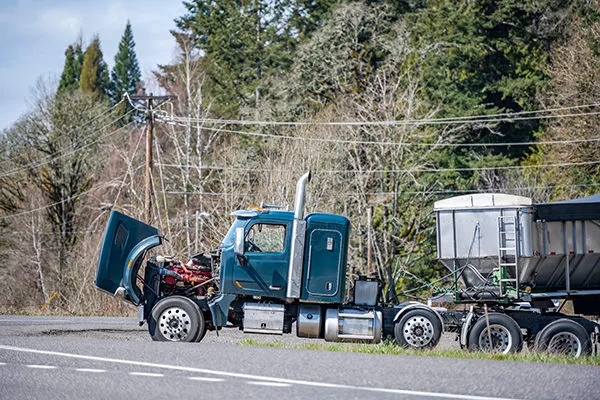
Regardless of where you are driving or the weather conditions you may face, stocking your 18-wheeler with a roadside emergency kit is a smart choice. From getting stranded due to weather or getting stuck in hours-long traffic jams, there are a lot of situations where an emergency kit could come in handy if it is stocked with the right items.
Your emergency kit should live in your truck all the time, so you have it whenever you need it, but if you have items that could expire, such as food or medication, it is important to rotate these things out regularly. Below, we will take a look at some things you will definitely want to keep in your roadside emergency kit at all times!
What 18-Wheeler Drivers Should Stock in Their Roadside Emergency Kits
While roadside emergency kits can (and should) be personalized based on your needs, there are some things any driver will be wise to keep on hand in their cab.
Unfortunately, there are a lot of things that can go wrong out there, so having a few key items can bring about great peace of mind and keep you safer in adverse conditions. These items include:
- Sealed containers of water
- Non-perishable foods and a can opener
- Extra toilet paper and paper towels
- A well-stocked first-aid kit
- An emergency blanket
- Hand and feet warmers
- A reflective safety vest
- Roadside flares and warning flags or cones
- Flashlight and extra batteries
- A map or atlas
- Snow shovel and ice scraper
- Tire pressure gauge
- Jumper cables
- An extra tarp
Additionally, if you have any four-legged driving companions, be sure to bring supplies for them, too! This can include extra kibble, any medication, and items to keep them warm as well, in addition to the general items you pack for a typical journey.
While this is a great general guideline, it is important to consider your individual needs and the nature of your trip, as well. For example, if you know you will be driving in cold weather climates, it is a good idea to pack extra warm-weather clothes and even a portable heater just in case.
If you are ready to upgrade your driving situation, we are here to help! Check out our inventory today to get started.
Copyright © 2022 West Coast Enterprises Truck and Trailer Sales, Inc.